Buy Lavada Cocaine Online
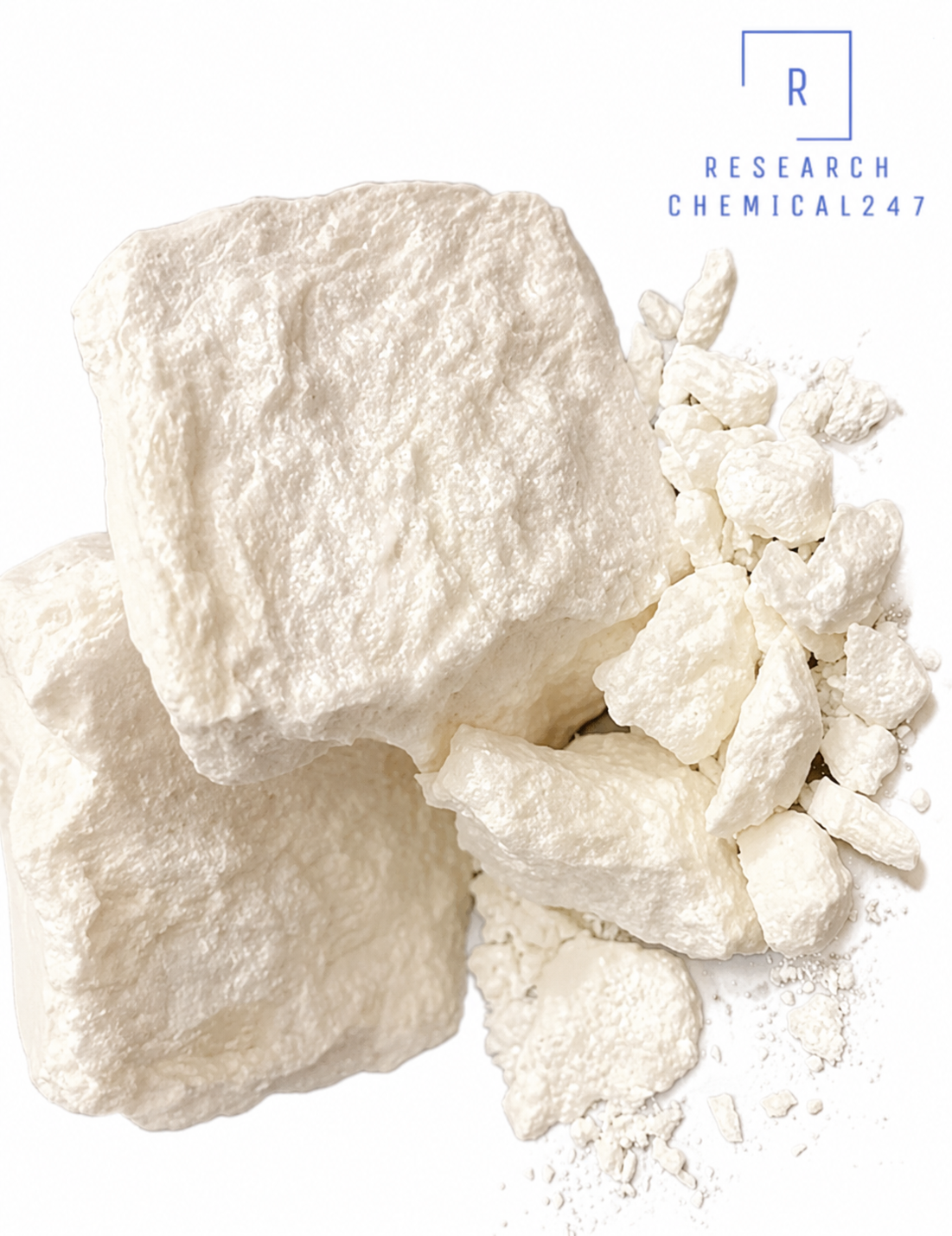
Buy Lavada Cocaine Online. Street names and slang terms are commonly used in illicit drug markets, often creating confusion about the identity, purity, or quality of substances. One term that occasionally appears in discussions is “Lavada,” a Spanish word meaning “washed.” In illicit contexts, it may be used informally to describe cocaine that sellers claim has been processed or purified.
It is important to understand that “Lavada” has no recognised scientific, medical, or pharmaceutical definition. Public health experts warn that street terminology should never be interpreted as evidence of purity, safety, or quality.
This article explains the meaning of the term, why purity claims can be misleading, the health risks associated with cocaine use, and the importance of evidence-based education.
What Does “Lavada” Mean?
In Spanish, lavada translates to “washed.” Within illicit drug markets, the term may be used as marketing language to suggest that a product has undergone additional processing.
However:
- It is not a laboratory classification.
- It is not recognised by medical professionals.
- It does not indicate purity or safety.
- It provides no reliable information about a substance’s composition.
Because illicit products are unregulated, two substances described with the same street name may contain entirely different ingredients.
Why Street Names Can Be Misleading
Unlike licensed medicines, illicit drugs are not manufactured under regulated quality standards. Products sold under street names may vary significantly in composition and may contain unexpected or harmful substances.
Claims based on slang or appearance should not be considered reliable indicators of quality or safety.
Health Risks of Cocaine
Cocaine is a powerful stimulant that affects the central nervous system.
Potential health risks include:
- Increased heart rate
- Elevated blood pressure
- Anxiety
- Panic attacks
- Heart attack
- Stroke
- Seizures
- Addiction
- Overdose
The severity of these effects can vary widely depending on the individual, the substance involved, and any contaminants present.
Addiction and Dependence
Cocaine has a high potential for addiction because it rapidly affects the brain’s reward system.
Repeated exposure may lead to:
- Strong cravings
- Loss of control over use
- Tolerance
- Substance use disorder
Professional treatment can help individuals recover and regain long-term health.
Public Health Concerns
Public health organisations emphasise that cocaine use can affect individuals, families, and communities. Consequences may include emergency medical events, mental health challenges, substance use disorders, and broader social impacts.
Education and early access to healthcare services play an important role in reducing these harms.
Prevention
Effective prevention strategies include:
- Evidence-based health education
- Mental health support
- Community awareness initiatives
- Early intervention
- Access to healthcare and addiction services
Accurate information helps people make informed decisions and seek assistance when needed.
Treatment and Recovery
Recovery from cocaine addiction is possible with professional care.
Treatment options may include:
- Medical assessment
- Behavioral therapies
- Individual counseling
- Group support
- Treatment for co-occurring mental health conditions
- Long-term recovery planning
Many individuals achieve lasting recovery through evidence-based treatment and ongoing support.
Frequently Asked Questions
Is “Lavada” a scientific term?
No. It is an informal street term and has no recognised scientific or medical meaning.
Does the term indicate purity?
No. Street names cannot verify the composition, purity, or safety of an illicit substance.
Can cocaine cause addiction?
Yes. Cocaine has a high potential for addiction and can lead to serious physical and mental health complications.
Conclusion
The term “Lavada” is an informal label use in some illicit drug markets and should not be interpret as evidence of quality or safety. Understanding the limitations of street terminology and recognising the health risks associated with cocaine use are important components of public health education.
Reliable information, prevention efforts, and access to evidence-based treatment remain essential for reducing the harms associated with cocaine use.
Disclaimer: This article is provided solely for educational and informational purposes. It does not promote, encourage, facilitate, or endorse the manufacture, purchase, sale, or use of cocaine or any other illegal substance.
For additional educational resources and research information, visit:
Website: https://researchchemical247.com/
Email: info@researchchemical247.com
WhatsApp: +1 862-416-5524
| Quantity | 5 gram, 10 gram, 15 gram |
|---|
Be the first to review “Buy Lavada Cocaine Online”
Related products
Cocaine
Cocaine
Cocaine
Cocaine
Cocaine
Cocaine
Cocaine
Reviews
There are no reviews yet.